
Robotic Hernia Surgery in Delhi
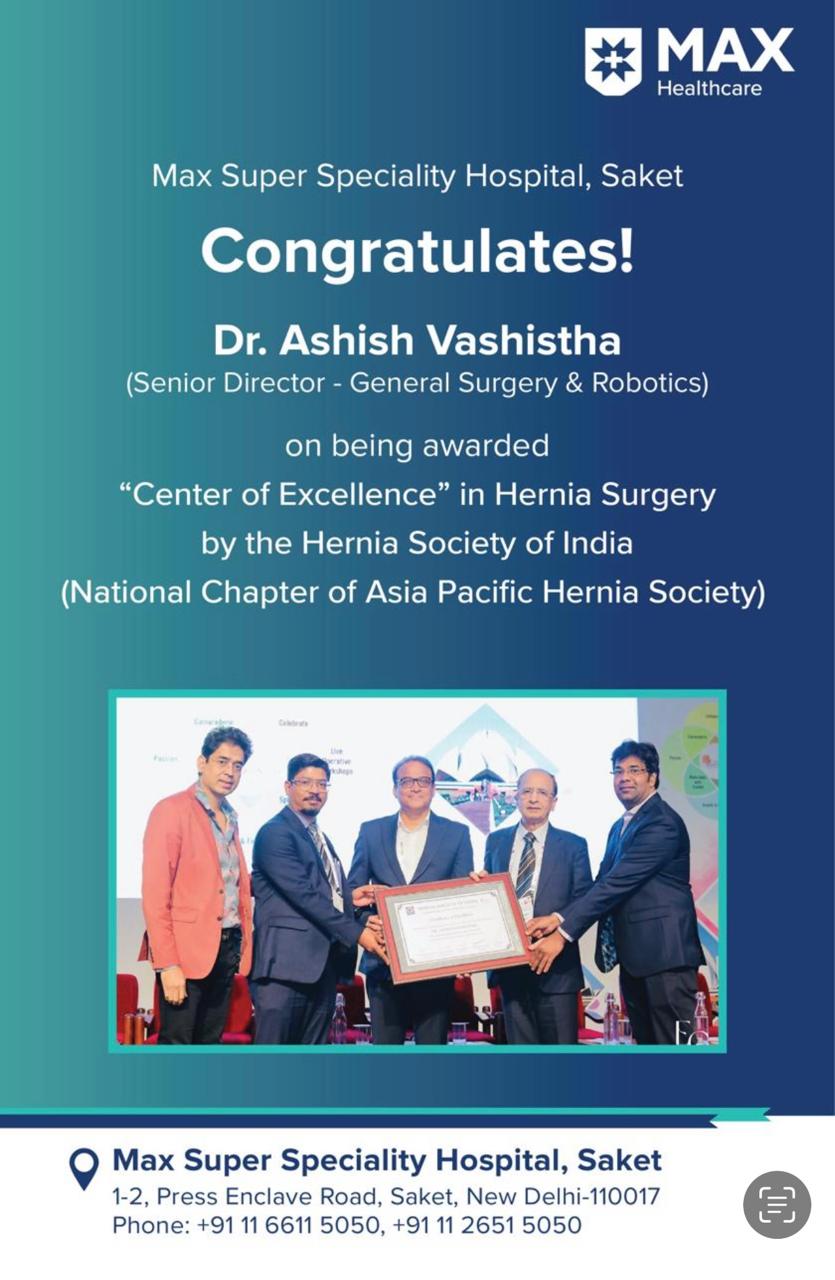
Dr. Ashish Vashistha is one of the leading surgeons in Delhi specializing in robotic hernia surgery, offering advanced and minimally invasive treatment options for patients with various types of hernias. With 28 years of expertise in minimally invasive and robotic surgery, Dr. Ashish Vashistha provides personalized care for inguinal, ventral, incisional, and complex hernias
Robotic Hernia repair procedures
Dr. Vashistha specializes in treating all major types of hernia. Each type requires proper diagnosis and treatment planning to ensure effective recovery and minimal complications.
Symptoms of Hernia
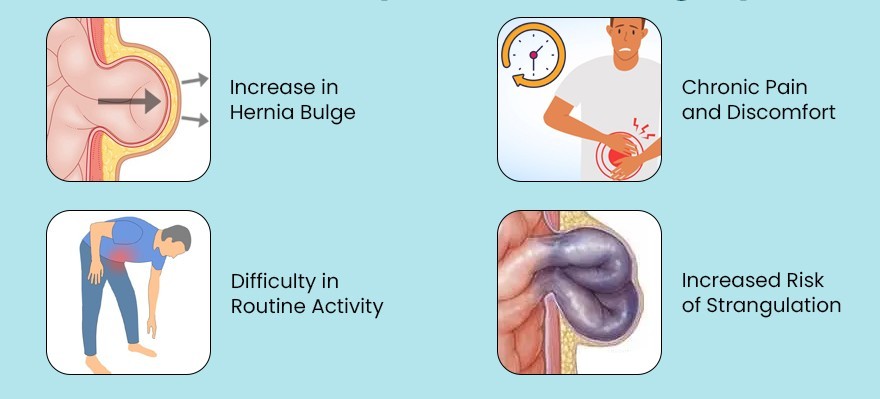
Hernia can cause a range of symptoms, including:
- Visible bulge in the abdomen or groin
- Pain or discomfort during movement, lifting, or coughing
- Burning or aching sensation
- Heaviness or pressure in the affected area
- Nausea, vomiting, or acid reflux (in hiatal hernias)
Treatment Options
- Minimally invasive technique using small incisions
- Mesh placement to reinforce the abdominal wall
- Less pain, faster recovery, and minimal scarring
- Ideal for most primary and recurrent hernias
- Suitable for complex cases or high-risk patients
- Performed using the da Vinci Robotic System
- Offers 3D visualization and wristed instruments for superior precision
- Especially effective for large, complex, or recurrent hernias
- Minimal trauma to surrounding tissues and lower recurrence rates
Open Hernia Surgery
- Traditional method involving a larger incision
- Reserved for emergency cases or when minimally invasive options are not feasible
Why Choose Robotic Surgery?
-
High Precision: Robotic surgery provides surgeons with highly precise instruments that mimic hand movements with enhanced dexterity.The advanced control and stability of robotic tools minimize errors, improve accuracy, and enable surgeons to operate in tight or hard-to-reach areas, making surgeries safer and more effective.
-
Minimal Pain & Scarring: Robotic-assisted surgeries require only small incisions, which reduce trauma to surrounding tissues. Smaller cuts mean patients experience significantly less pain after surgery and minimal scarring, resulting in better cosmetic outcomes.
-
Faster Recovery: Because robotic surgery is minimally invasive, patients typically recover faster than with conventional surgery. Smaller incisions and reduced tissue damage allow for shorter hospital stays and quicker return to daily activities.
-
Reduced Risk of Complications: This significantly reduces the risk of surgical errors, bleeding, and damage to surrounding tissues.
-
Better Outcomes: The combination of precision, enhanced visualization, and minimally invasive techniques in robotic surgery leads to superior long-term outcomes. Patients benefit from fewer complications, faster healing, and improved organ function.

Why Choose Dr. Ashish Vashistha?
Dr. Ashish Vashistha is a trailblazer in Minimal Access and Bariatric Surgery, with over 28 years of experience. His credentials include:
- Principal Director & HOD, General Surgery & Robotics, Max Super Speciality Hospital, Saket
- Senior Bariatric, Metabolic, Advanced Laparoscopic & Robotic Surgeon with 28+ years of experience
- Renowned for excellence in Gallbladder, Hernia, Bariatric, and advanced Robotic surgeries
- Trusted by thousands of patients for safe, minimally invasive, and fast-recovery surgical outcomes
- Published multiple research papers in Laparoscopic, Bariatric & Robotic Surgery
FAQs – Robotic Hernia Surgery
Hernia surgery is a procedure to repair a hernia, where an internal organ or tissue pushes through a weak spot in the abdominal muscles.
Surgery is needed to prevent complications such as pain, bowel obstruction, or strangulation of the hernia, which can become life-threatening.
There are three main types: Open Surgery, Laparoscopic Surgery, and Robotic Surgery. Minimally invasive options are preferred for faster recovery.
Most patients recover in 1–2 weeks after laparoscopic or robotic surgery, while open surgery may require 4–6 weeks for full recovery.
Risks are minimal but may include infection, bleeding, recurrence of the hernia, or complications related to anesthesia.