
Laparoscopic Hernia Surgery in South Delhi
Hernia is a very common medical condition in humans. It happens when an internal organ or tissue comes out through a weak part of the muscle wall. Hesitatingly making or refusing to go back there generally brings about discomfort, swelling, and pain, especially when doing such activities as lifting heavy things, coughing, and staying for a long time up. In case a Hernia is ignored and not treated on time, it will gradually worsen and lead to severe consequences. At Aspire Life Robotics, we provide the best Laparoscopic Hernia Surgery in South Delhi that combines the latest technology with the expertise of the best hernia surgeon in South Delhi for a permanent solution.
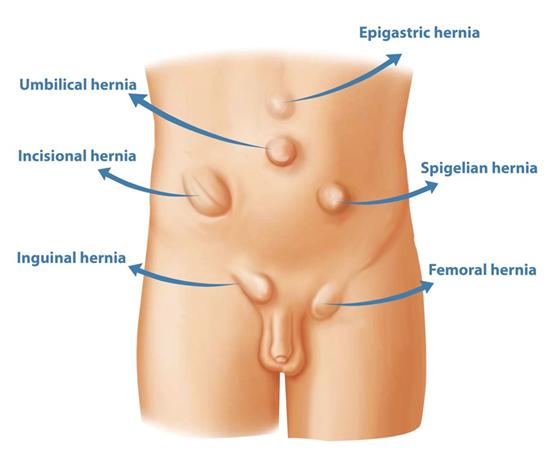
What is a Hernia?
A hernia is a medical condition that occurs when an organ, or a part of it, pushes through a defect in the muscle or tissue. It is basically the weak spot or rupture that causes the surrounding organ to bulge. This typically happens when there is a lot of pressure due to various reasons such as injuries, strains, congenital defects, etc. and the bulge is usually felt in the abdomen or groin area. The situation is serious enough to demand swift medical intervention if it causes pain or severe complications.
Laparoscopic Hernia Repair Procedures
Symptoms of Hernia— Best Hernia Surgeon in South Delhi
Visible Bulge is a clear lump or swelling under the skin commonly found in the groin, abdomen, or near the navel. The lumps become more prominent when they are hurting.
- If you feel pain or burn while lifting, bending, or coughing, it could be a significant symptom.
- A feeling of pressure and weakness in the affected area.
- Nausea or digestive issues in severe cases
- Heaviness in the abdomen
Hence, early consultation with the best doctor for hernia surgery in South Delhi can surely prevent complications. Further, improving the recovery outcomes.
Treatment Options
- Minimally invasive technique using small incisions
- Mesh placement to reinforce the abdominal wall
- Less pain, faster recovery, and minimal scarring
- Ideal for most primary and recurrent hernias
- Performed using the da Vinci Robotic System
- Offers 3D visualization and wristed instruments for superior precision
- Especially effective for large, complex, or recurrent hernias
- Minimal trauma to surrounding tissues and lower recurrence rates
Open Hernia Surgery
- Traditional method involving a larger incision
- Reserved for emergency cases or when minimally invasive options are not feasible
Laparoscopic hernia surgery in South Delhi
Laparoscopic hernia surgery is a modern and less invasive process performed through small incisions. In this procedure, surgeons use a tiny camera to view the internal organ. Along with that, precise instruments repair the hernia and place a surgical mesh to strengthen the weak muscle wall.
Benefits of laparoscopic surgery at Aspire Life Robotics
The advanced technique is performed and recommended by our best surgeon in South Delhi. We ensure patients have an experience with comfort and safety throughout the process.
- Minimal scarring and smaller incisions
- Less post-operative pain
- Lower risk of infection
- Faster recovery and shorter hospital stay
- Quick return to daily activities
- Long-term effectiveness with reduced recurrence
What to expect during Laparoscopic Hernia Surgery?
Laparoscopic Hernia Surgery needs General anesthesia. After the administration of anesthesia, the patient remains unconscious throughout the operation period. However, the surgeon after that will make three or four small incisions around the hernia. One incision will be of less than one inch in size, and the others will be smaller than that.
The Laparoscope, which is a very small camera with a tiny lens at the end, will be passed through the incisions to aid the doctor's steps. Besides, additional surgical instruments are also passed through the other incisions.
Furthermore, the abdomen is sometimes inflated with non-toxic gas like carbon dioxide or a small balloon. This is done to increase the area for the surgeon's working. The surgeon will then push back the contents of the hernia to their original position. Lastly, a piece of mesh will be secured over the inside of the gap to reinforce the weakened area of the abdominal wall.
Why Choose Robotic Surgery for Hernia Repair ?
-
Minimally Invasive: Less trauma is caused to the body by using tiny incisions rather than a large open cut.
-
Less Pain: Patients who have smaller wounds endure much less discomfort following surgery.
-
Faster Recovery: In contrast to weeks following open surgery, most patients are able to return to their regular activities in a matter of days.
-
Minimal Scarring: Smaller incisions produce better cosmetic results because they leave fewer visible scars.
-
Enhanced Precision: Surgeons can carry out the procedure more precisely thanks to the camera's clear, magnified view.
-
shortened Hospital Stay: Many of laparoscopic operations enable same-day discharge or a 24-hour stay.

Why Choose Dr. Ashish Vashistha?
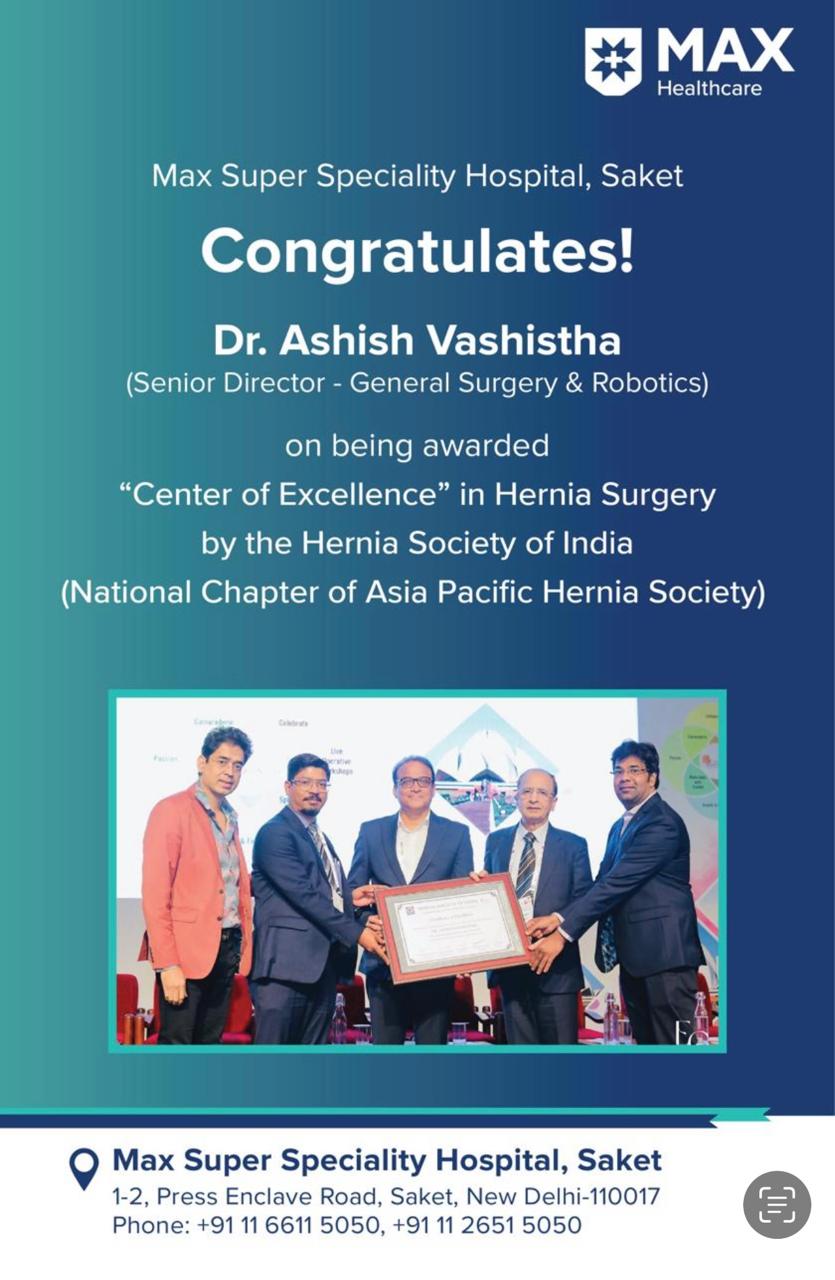
Dr. Ashish Vashistha is a trailblazer in Minimal Access and Bariatric Surgery, with over 28 years of experience. His credentials include:
- Principal Director & HOD, General Surgery & Robotics, Max Super Speciality Hospital, Saket
- Senior Bariatric, Metabolic, Advanced Laparoscopic & Robotic Surgeon with 28+ years of experience
- Renowned for excellence in Gallbladder, Hernia, Bariatric, and advanced Robotic surgeries
- Trusted by thousands of patients for safe, minimally invasive, and fast-recovery surgical outcomes
- Published multiple research papers in Laparoscopic, Bariatric & Robotic Surgery
FAQs – Hernia Surgery
Aspire Life Robotics is one of the top clinics located in South Delhi. Dr. Ashish Vashistha is a doctor with great expertise in hernia repairing and he makes the surgery safe and successful through the use of modern techniques such as laparoscopic surgery. He has a strong background in handling a lot of surgeries with good outcomes.
- Least pain after the operation
- Tiny scars
- Reduced hospital stay
- Quick return to normal activities
- Lower chance of infection and complications
Well, the recovery time varies from patient to patient and from surgery type to surgery type. Patients may be able to go back to normal activities within 1-2 weeks after surgery, while complete recovery might take 4-6 weeks.
Hernia surgery, in general, is considered safe, especially when carried out by skilled surgeons like Dr. Ashish Vashistha.