
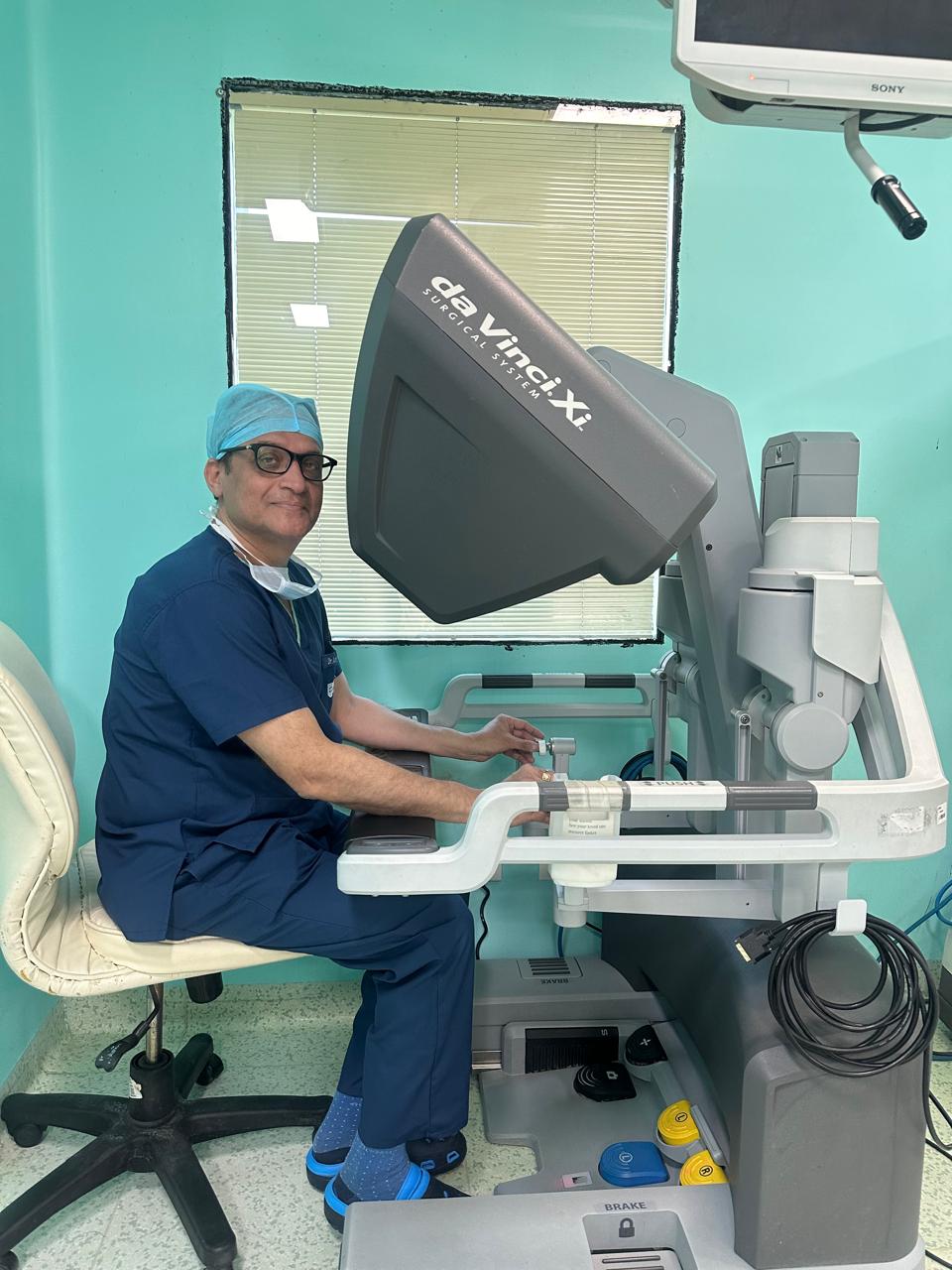
Undoubtedly, technology has grown a lot in recent years. The healthcare industry is no way behind! Nowadays, robots are helping doctors to perform surgeries—with more care and skill. This modern method is known as robotic surgery. Most of you still search What is Robotic Surgery? Advantages of Robotic & Laparoscopic? This blog will surely help you provide all the answers to your questions.
What is Robotic Surgery?
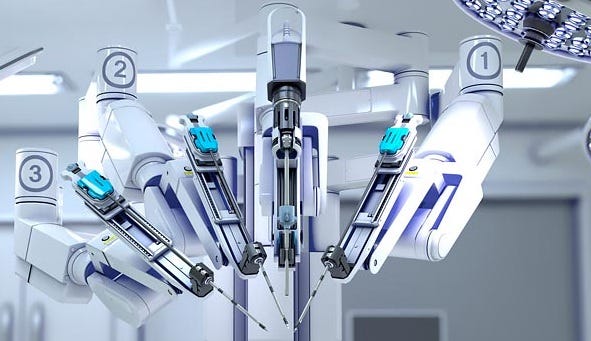
Robotic Surgery is a type of surgery where doctors use a special robot system that helps in performing operations. In robotic surgery, the doctor sits at a computer-like console and controls tiny robotic arms. Robots' arms can move very quickly and with great accuracy. They are able to reach to small areas where human hands cannot easily reach. Every single movement is controlled by the surgeon. The robot makes the movement smoother and more steady. It really helps the doctor in performing complex surgeries more safely.
What is Laparoscopic Surgery?
Laparoscopic surgery is also one of the major methods where surgeons make a small cut in the body. After that, a thin tube with a camera inserted into the body—known as a Laparoscope. The attached camera shows clear images on a screen. Further, the surgeon uses small tools through tiny openings to complete the surgery. This surgery is also known as keyhole surgery because the cuts are too small. It is not that painful and helps patients in faster recovery as compared to open surgery.
Advantages of Robotic Surgery
Robotic surgery is an advanced technique that has several advantages compared to traditional surgical methods.
1. Lower Risk of Complications
Robotic surgery decreases the chances of infection, damage to healthy tissue, pain during recovery and blood loss.
2. Minimal scarring
In this surgery, small incisions are made to minimise the scar—accelerating the healing process.
3. Shorter Hospital stay
In this surgery, a patient stays for a few days at the hospital. Hence, it allows patients to do their regular activities.
4. Quick recovery time
This surgery reduces the trauma to the body. Further, smaller incisions lead to less pain and swelling, thus increasing the recovery process.
5. Improved post-surgical outcomes
The robotic surgery provides more precision and control which often result in more successful outcomes as compared to traditional surgeries.
Advantages of Laparoscopic Surgery
Laparoscopic Surgery provides a spectrum of benefits if compared to conventional open surgery.
1. Smaller incisions
Unlike traditional surgeries, Laparoscopic Surgery consist of making small incisions. It leads to quicker recovery and smaller scarring.
2. Lowered risk of difficulties
As there is very invasive, this surgery decreases the chances of post-surgery difficulties such as swelling, blood loss and infection.
3. Quick recovery
Patients who undergo this surgery generally get a faster recovery. Because there is very minimal trauma and a small incision given to the body—leading to a quick bounce back!
4. Reduced pain and discomfort
Due to smaller incisions, there is less pain during and post-surgery. Moreover, the doctor also uses anaesthesia, which also helps in reducing discomfort for the patients.
5. High success rate
This surgery provides precise control due to the laparoscope and special instruments. These surgeries usually have a more successful outcome as compared to conventional procedures.
When is Robotic Surgery and Laparoscopic Surgery Used?
| Use Case | Robotic Surgery | Laparoscopic Surgery |
|---|---|---|
| Complex cases | Used for very delicate surgeries | Used for simple to moderate cases |
| Cancer surgery | Used for prostate, kidney, and complex cancers | Used for early or small tumors |
| Narrow spaces | Best for deep or tight areas | Works in small but accessible areas |
| Gallbladder | Used for complicated cases | Common for routine gallbladder removal |
| Hernia repair | For complex or repeat hernias | For simple hernia repairs |
| Gynecology | For complicated procedures | For basic gynecological surgeries |
Leave a Comment