
Robotic Bariatric Surgery
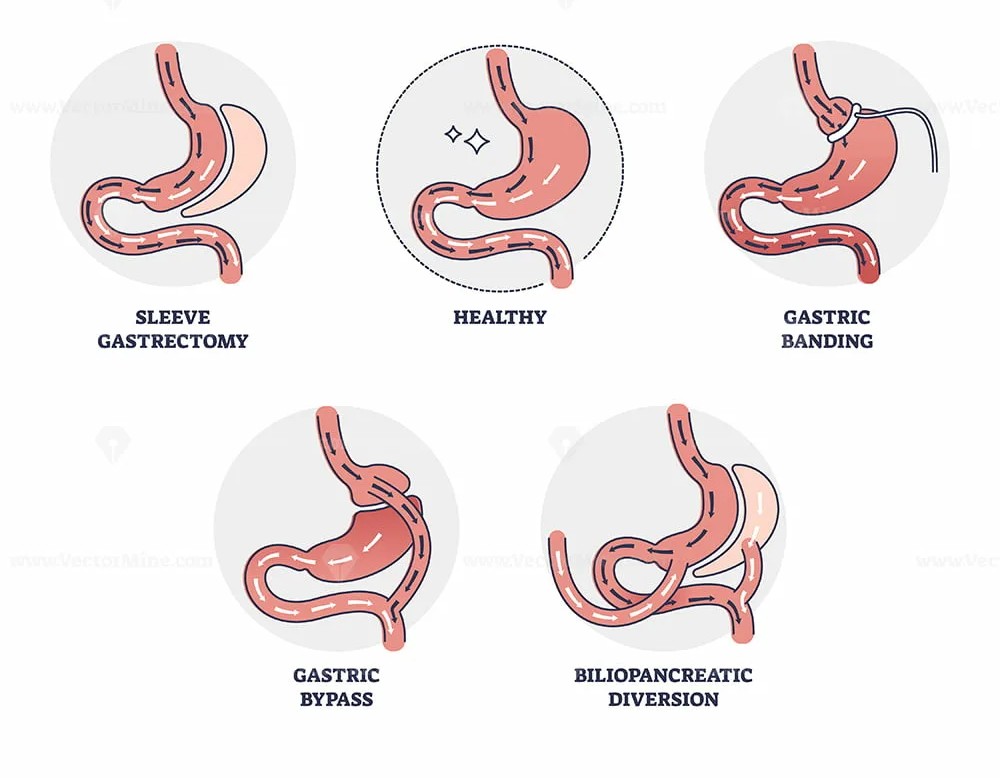
Bariatric surgery is a medical procedure designed to help patients with obesity achieve significant weight loss by modifying the digestive system. It includes procedures like Gastric Sleeve, Gastric Bypass, and Adjustable Gastric Banding. These procedures not only reduce excess weight but also help improve obesity-related conditions such as diabetes, hypertension, and sleep apnea.
Symptoms & Indications for Bariatric Surgery
Patients may consider bariatric surgery if they experience:
- Severe obesity with a BMI ≥ 40
- Obesity-related health issues, including type 2 diabetes, high blood pressure, or sleep apnea
- Difficulty in losing weight through diet and exercise alone
- Health risks due to excess weight impacting daily activities or overall quality of life
Body Mass Index (BMI) is calculated using the formula:
BMI = Weight (kg) ÷ [Height (m)]²
Diagnosis & Evaluation
Dr. Vashistha uses a comprehensive diagnostic approach to determine suitability for bariatric surgery:
- Medical History & Physical Examination – Assessing weight, BMI, and health conditions
- Blood Tests – Evaluating metabolic and nutritional status
- Imaging Studies – Ultrasound, CT scan, or endoscopy to examine digestive system structure
- Nutritional & Psychological Assessment – Ensuring patient readiness for surgery and long-term lifestyle changes
Treatment Options
Dr. Vashistha offers cutting-edge surgical solutions tailored to each patient’s condition:
Laparoscopic Bariatric Surgery
- Minimally invasive procedure using small incisions
- Faster recovery, minimal pain, and reduced scarring
Robotic Bariatric Surgery
- Enhanced precision and flexibility
- Ideal for complex cases requiring delicate maneuvering
Open Bariatric Surgery
- Reserved for rare, complicated cases
- Involves a larger incision and longer recovery time
Complications If Left Untreated
If obesity is not managed, it can lead to severe health issues:
- Type 2 Diabetes and insulin resistance
- High blood pressure and heart disease
- Sleep apnea and respiratory problems
- Joint pain and reduced mobility
- Increased risk of certain cancers
- Psychological issues like depression and low self-esteem
Timely surgical intervention is essential to prevent these risks.

Why Choose Dr. Ashish Vashistha?
Dr. Ashish Vashistha is a trailblazer in Minimal Access and Bariatric Surgery, with over 28 years of experience. His credentials include:
- Principal Director & HOD, General Surgery & Robotics, Max Super Speciality Hospital, Saket
- Senior Bariatric, Metabolic, Advanced Laparoscopic & Robotic Surgeon with 28+ years of experience
- Renowned for excellence in Gallbladder, Hernia, Bariatric, and advanced Robotic surgeries
- Trusted by thousands of patients for safe, minimally invasive, and fast-recovery surgical outcomes
- Published multiple research papers in Laparoscopic, Bariatric & Robotic Surgery
FAQs – Robotic Bariatric Surgery
Bariatric surgery is a medical procedure to help with significant weight loss by modifying the digestive system, often through techniques like gastric bypass, sleeve gastrectomy, or gastric banding.
Patients with a BMI of 40 or higher, or a BMI of 35–39.9 with obesity-related health conditions like diabetes, hypertension, or sleep apnea, are typically considered eligible.
Common types include Gastric Sleeve, Gastric Bypass, and Adjustable Gastric Band. The choice depends on patient health, weight loss goals, and surgeon recommendation.
Most patients recover in 1–3 weeks for minimally invasive procedures, while more complex surgeries may require 4–6 weeks for full recovery.
Risks may include infection, bleeding, blood clots, nutritional deficiencies, or complications related to anesthesia. Choosing an experienced surgeon reduces these risks.
Weight loss varies by surgery type and patient compliance, but most patients lose 50–70% of excess body weight within the first 12–18 months post-surgery.
Yes, patients follow a staged diet starting with liquids, then soft foods, and gradually regular foods. Nutritional supplements may also be required for life.
Some procedures, like the adjustable gastric band, are reversible, but others like gastric bypass or sleeve gastrectomy are permanent.