
Laparoscopic GERD Surgery in Delhi
Gastroesophageal Reflux Disease (GERD) is a chronic condition where stomach acid flows back into the esophagus, causing heartburn, regurgitation, and discomfort. When lifestyle changes and medications are not enough, surgical intervention may be required to provide long-term relief. Dr. Ashish Vashistha, a leading gastroenterologist and minimally invasive surgeon in Delhi, offers advanced laparoscopic GERD surgery to restore normal esophageal function and improve quality of life.
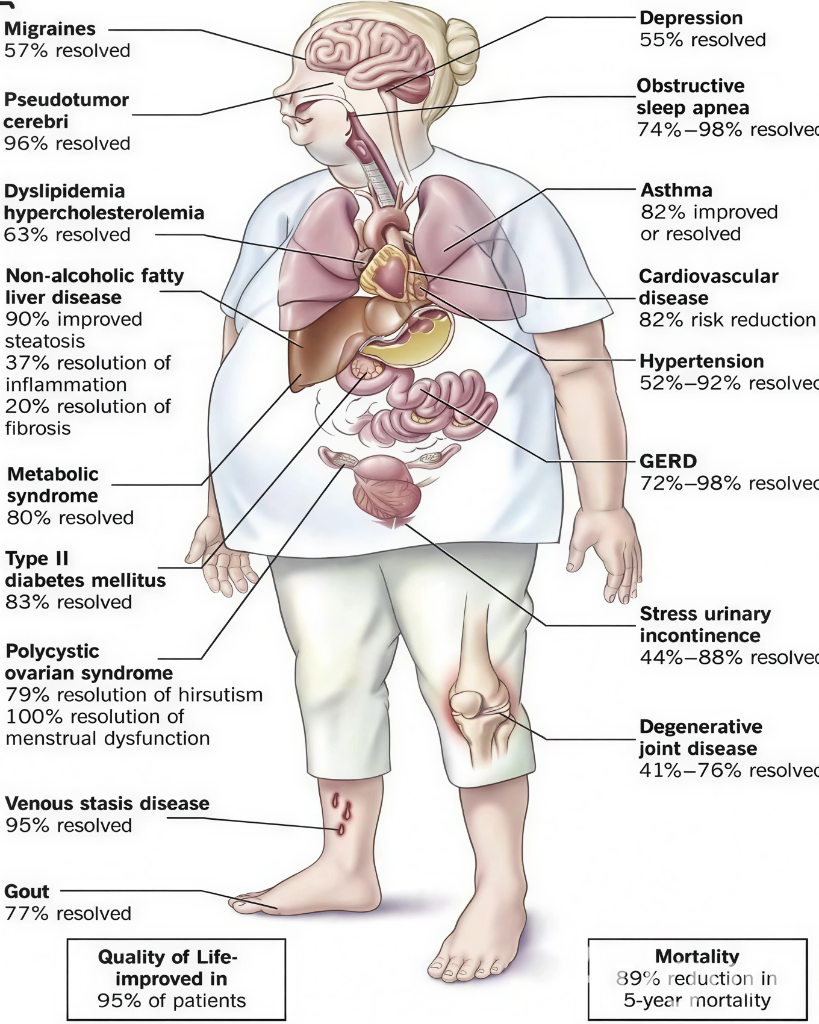
What Is GRED?
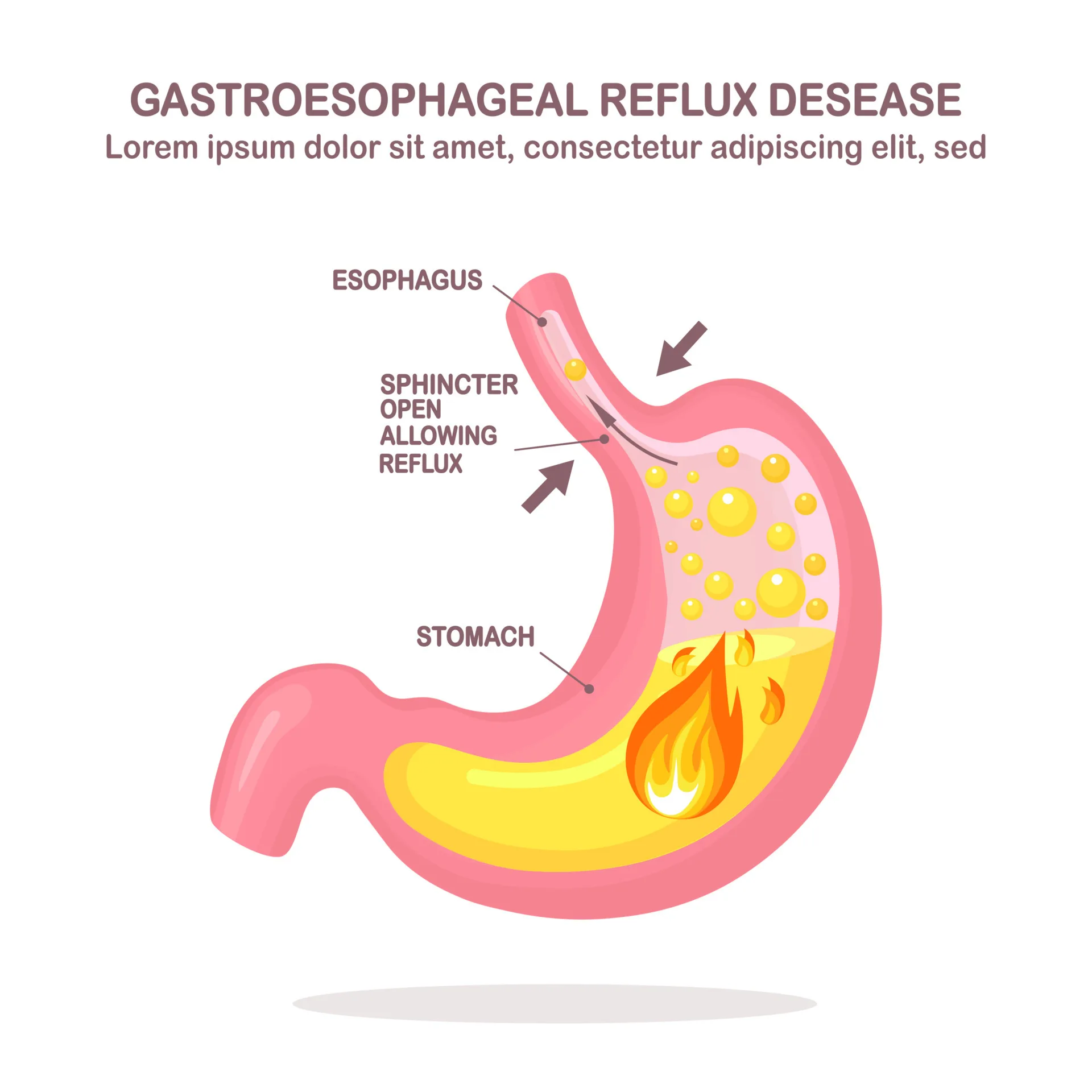
GERD (Gastroesophageal Reflux Disease) is a chronic digestive condition where stomach acid or contents flow back into the esophagus, causing irritation and discomfort. This backward flow, known as acid reflux, can lead to symptoms like heartburn, regurgitation, chest discomfort, and sometimes difficulty swallowing.
Symptoms of GERD
Common signs include:
- Persistent heartburn or acid reflux
- Regurgitation of food or sour liquid
- Difficulty swallowing
- Chronic cough or sore throat
- Chest pain, especially after meals
- Sensation of a lump in the throat
Treatment Options
Laparoscopic GERD Surgery
- Minimally invasive technique
- Small incisions, less scarring
- Faster recovery and minimal pain
- Shorter hospital stay
- Safe for most GERD patients
- Quick return to daily activities
- Advanced form of laparoscopic surgery
- Enhanced precision and control
- Ideal for complex GERD cases
- Better visualization of internal structures
- Minimally invasive with reduced complications
- Faster recovery compared to open surgery
Open GERD Surgery
- Used for rare, complicated GERD cases
- Involves a larger abdominal incision
- Longer recovery time compared to minimally invasive methods
Why choose Robotic Surgery
-
Minimally Invasive: Less trauma is caused to the body by using tiny incisions rather than a large open cut.
-
Less Pain: Patients who have smaller wounds endure much less discomfort following surgery.
-
Faster Recovery: In contrast to weeks following open surgery, most patients are able to return to their regular activities in a matter of days.
-
Minimal Scarring: Smaller incisions produce better cosmetic results because they leave fewer visible scars.
-
Enhanced Precision: Surgeons can carry out the procedure more precisely thanks to the camera's clear, magnified view.
-
shortened Hospital Stay: Many of laparoscopic operations enable same-day discharge or a 24-hour stay.

Expert GERD Surgeon in Delhi – Dr. Ashish
Dr. Ashish is a highly skilled Gastrointestinal and Laparoscopic Surgeon in Delhi, specializing in the treatment of acid reflux and upper GI disorders.
With 28 years of surgical expertise and advanced training in robotic, laparoscopic, and open anti-reflux surgeries, Dr. Ashish provides safe, precise, and long-lasting results for patients struggling with chronic GERD.
- Principal Director & HOD, General Surgery & Robotics, Max Super Speciality Hospital, Saket
- Senior Bariatric, Metabolic, Advanced Laparoscopic & Robotic Surgeon with 28+ years of experience
- Renowned for excellence in Gallbladder, Hernia, Bariatric, and advanced Robotic surgeries
- Trusted by thousands of patients for safe, minimally invasive, and fast-recovery surgical outcomes
- Published multiple research papers in Laparoscopic, Bariatric & Robotic Surgery
FAQs – Gastroesophageal Reflux Surgery (GERD)
Heartburn more than twice a week, Difficulty swallowing, Regurgitation or chest pain
Symptoms include heartburn, regurgitation, chest pain, difficulty swallowing, chronic cough, sore throat, and a sour taste in the mouth.
Most patients can stop taking acid reflux medicines after successful surgery. However, a few may need occasional medication if mild symptoms return over time. .
Yes, GERD can often be managed with lifestyle changes, dietary modifications, and medications like antacids, H2 blockers, or proton pump inhibitors (PPIs).
Surgery, such as laparoscopic fundoplication or robotic anti-reflux surgery, is recommended if symptoms do not improve with medications or if complications develop.